What Is Griseofulvin?
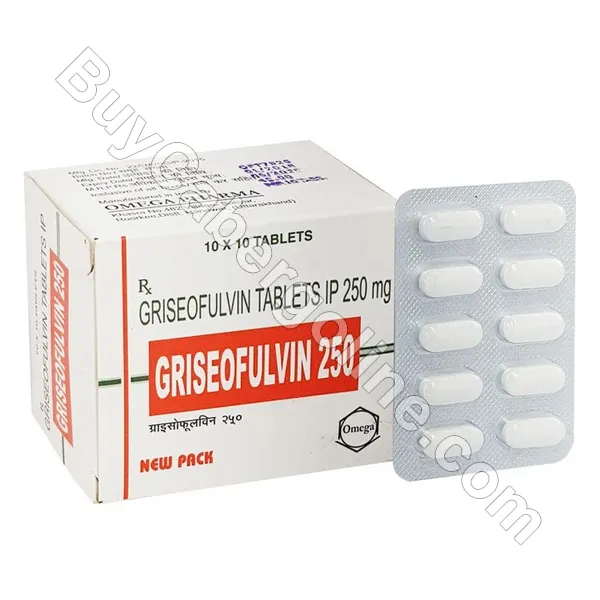
Griseofulvin is a well-established antifungal medication commonly used to treat fungal infections affecting the skin, hair, and nails. It is sourced from specific Penicillium fungi and has been a reliable solution for dermatophyte infections for many years. Produced by Omega Pharma, Griseofulvin provides an effective treatment option for those struggling with stubborn fungal conditions.
This medicine works systemically after oral intake, targeting fungal cells while sparing human tissue. It’s important to note that Griseofulvin is designed to treat superficial fungal infections, not deep or systemic fungal diseases. Typically, healthcare providers prescribe it following a confirmed diagnosis.
Common Uses of Griseofulvin
- Eliminating ringworm (tinea corporis)
- Treating athlete’s foot (tinea pedis)
- Addressing scalp fungal infections (tinea capitis)
- Combating fungal nail infections (onychomycosis)
- Supporting treatment for other skin-related fungal issues
How Does Griseofulvin Work?
Griseofulvin works by attaching itself to the microtubules within fungal cells, disrupting the formation of mitotic spindles. This action prevents the fungi from dividing and multiplying. The drug accumulates in keratin-rich tissues such as skin, hair, and nails, where the fungi typically thrive.
By incorporating into new keratin, Griseofulvin helps protect these tissues from reinfection until healthy, uninfected cells replace the infected ones. This explains why treatment can often be lengthy before complete clearance is achieved.
Advantages of Using Griseofulvin
- Highly effective against common dermatophytes
- Convenient oral tablet form
- Penetrates hair follicles, skin, and nails to target fungi
- Generally well-tolerated with manageable side effects
- Decades of proven clinical success
Dosage and How to Take Griseofulvin
The required dose of Griseofulvin varies depending on the infection type, severity, and patient factors like age and weight. For adults, the typical dose ranges between 500 mg and 1000 mg daily, divided into two doses, usually lasting for several weeks or months. Children’s doses are carefully adjusted by their weight.
Taking Griseofulvin with food helps improve how well it’s absorbed and reduces stomach discomfort. It’s vital to finish the entire prescribed course to avoid the infection returning. Regular check-ins with your healthcare provider are recommended to track progress and adjust treatment if necessary.
Who Should Consider Using Griseofulvin?
Griseofulvin is ideal for people diagnosed with dermatophyte infections, especially when topical treatments have proven ineffective or are unsuitable. It’s appropriate for both adults and children, particularly for scalp ringworm and nail infections, under medical supervision.
It is also a good choice for patients needing a systemic antifungal treatment who do not have serious liver or blood conditions. For those preferring to avoid more toxic antifungal drugs, Griseofulvin can be an effective alternative.
Who Should Avoid Griseofulvin?
Individuals with known allergies or hypersensitivity to Griseofulvin or related substances should avoid this medication. It is not recommended for patients with severe liver disease, porphyria, or lupus erythematosus due to the risk of adverse effects.
Pregnant and breastfeeding women should exercise caution; Griseofulvin is usually contraindicated during pregnancy unless explicitly advised by a doctor. Those taking blood thinners like warfarin should consult their healthcare providers to avoid harmful drug interactions.
Possible Side Effects
- Headache
- Nausea
- Upset stomach
- Diarrhea
- Dizziness
- Fatigue
- Skin rash
- Itching
- Increased sensitivity to sunlight (photosensitivity)
- Rare changes in liver enzyme levels
Important Safety Tips
- Never stop taking Griseofulvin without medical advice
- Limit sun exposure and use sunscreen or protective clothing
- Disclose all medications and supplements to your doctor to avoid interactions
- Use reliable birth control during treatment to prevent pregnancy
- Monitor liver function regularly during extended use
- Report any severe or unusual symptoms promptly
- Adhere strictly to the prescribed dosage for best results and safety
Potential Drug Interactions
- Warfarin and other blood thinners – may affect clotting
- Barbiturates – can reduce Griseofulvin effectiveness
- Alcohol – raises risk of liver issues
- Oral contraceptives – may decrease contraceptive reliability
- Other antifungal medications – could increase side effects
How to Store Griseofulvin
Store Griseofulvin at room temperature, away from moisture and direct sunlight. Keep it sealed in its original container and out of reach of children and pets. Avoid freezing or exposing the medication to extreme heat to maintain its quality and effectiveness.
Where to Purchase Griseofulvin
You can get Griseofulvin from licensed pharmacies and trusted online retailers. It’s widely available in countries like the USA, UK, and Australia. Always buy from reputable sources to ensure you receive authentic, safe medication. Remember, Griseofulvin usually requires a prescription, so consult your healthcare provider for advice and proper treatment.
Frequently Asked Questions (FAQ)
How long before Griseofulvin shows results?
Improvement usually takes several weeks to a few months, depending on the infection site. Nail infections can take up to six months to fully clear.
What should I do if Griseofulvin isn’t effective?
If symptoms continue or worsen, speak with your doctor. They may reassess your condition or suggest alternative treatments.
Can I combine Griseofulvin with other medications?
Certain drugs can interact with Griseofulvin. Always inform your healthcare provider about all medications and supplements you are taking to prevent interactions.
Is Griseofulvin safe for elderly patients?
Older adults can take Griseofulvin, but they may be more prone to side effects. Careful medical supervision is needed to tailor treatment appropriately.
What should I do if I miss a dose?
Take the missed dose as soon as you remember unless it’s close to your next scheduled dose. Do not take a double dose to make up for it.
Can side effects be prevented?
While some side effects cannot be fully avoided, following dosing instructions and avoiding direct sunlight during treatment can reduce the risk.
Is daily use of Griseofulvin safe?
Griseofulvin is usually taken daily as prescribed. Long-term use should always be monitored by a healthcare professional to ensure safety.
Conclusion
Griseofulvin remains a trusted and effective option for treating fungal infections of the skin, hair, and nails. Its targeted action and well-known safety profile make it a preferred choice for many patients. Following your doctor’s instructions closely, completing the full course, and watching for side effects are crucial for achieving the best treatment outcomes.

Leave A Review