Microprolactinoma vs Macroprolactinoma: Key Differences
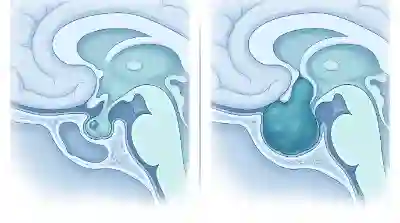
Microprolactinomas are prolactin-secreting pituitary tumors smaller than 10 mm, while macroprolactinomas measure 10 mm or more. Both are benign (non-cancerous) adenomas that make too much of the hormone prolactin, but size changes almost everything that follows: how likely the tumor is to press on nearby structures, how high prolactin tends to be, how often imaging is needed, and how closely a specialist will follow you. This guide explains the difference in plain language, how each type is diagnosed and monitored, where the prescription medicine cabergoline fits, and when treatment can sometimes be reviewed or stopped.
Key takeaways
- A prolactinoma under 10 mm is a microprolactinoma; 10 mm or larger is a macroprolactinoma. Tumors of 40 mm or more are called giant prolactinomas.
- Many people with a high prolactin result do not have a prolactinoma. Medicines, an underactive thyroid, pregnancy, kidney disease, stress and lab artifacts such as macroprolactin are common explanations.
- Microprolactinomas mostly cause hormone-related symptoms and rarely grow. Macroprolactinomas can also cause headaches and vision problems because of their size.
- Dopamine agonists, most often cabergoline, are the usual first-line treatment for both types, but they are prescription medicines that need medical assessment and follow-up.
- Monitoring means repeat prolactin blood tests, symptom review, and MRI at intervals your specialist chooses. Macroprolactinomas are usually imaged more often than microprolactinomas.
What this article covers
- What is a prolactinoma?
- Microprolactinoma vs macroprolactinoma: the key differences
- Symptoms by tumor size
- How diagnosis works
- Treatment options
- The role of cabergoline
- Safety, side effects and precautions
- Monitoring and follow-up
- Stopping treatment and recurrence
- Special situations
- Guidance in the US, UK, Canada, Australia, Malaysia and Singapore
- When to seek medical care
- Frequently asked questions
- References
What is a prolactinoma?
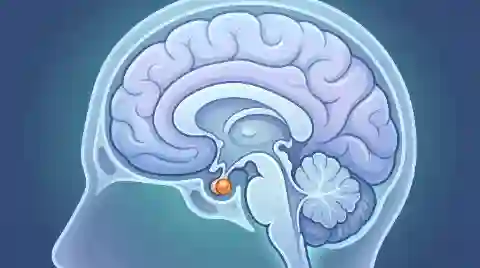
The pituitary is a pea-sized gland at the base of the brain that releases several hormones. One of them, prolactin, stimulates breast development and milk production after childbirth. In people who are not pregnant or breastfeeding, prolactin is normally low. A prolactinoma is a benign tumor (tumour in British spelling) of the prolactin-producing cells that releases excess prolactin into the blood. NIDDK’s prolactinoma overview covers these tumors, and a 2023 international consensus statement notes that prolactinomas account for about half of all pituitary adenomas.
Excess prolactin interferes with the signals that drive the reproductive system. The result can be irregular or absent periods, difficulty conceiving, reduced libido, erectile difficulties, and, in some people, breast milk production unrelated to pregnancy. Over time, low sex hormone levels can also affect bone density. If you want background on prolactin itself, our guide to the prolactin level test in men and women explains what the blood test measures and why results can vary.
It is worth stressing that a prolactinoma is only one of several reasons prolactin can be raised. That point matters for both tumor types, and we return to it in the diagnosis section.
Microprolactinoma vs macroprolactinoma: the key differences
The dividing line is size on MRI. Tumors smaller than 10 millimeters are classed as microadenomas; those 10 millimeters or larger are macroadenomas. The table below summarizes how the two groups typically differ. These are general patterns, not rules for any one person.
| Feature | Microprolactinoma | Macroprolactinoma |
|---|---|---|
| Size on MRI | Under 10 mm | 10 mm or more (giant: 40 mm or more) |
| Typical prolactin level | Mild to moderately raised, though overlap with other causes is common | Often markedly raised; levels in the hundreds of ng/mL are typical |
| Who is commonly affected | Most often young to middle-aged women | More often men, and women diagnosed later |
| Main problems | Hormonal effects: periods, fertility, libido, bone health | Hormonal effects plus pressure effects: headache, vision changes, other pituitary hormone deficiencies |
| Chance of significant growth | Low | Higher, and more important to monitor |
| Imaging follow-up | Less frequent once prolactin is controlled | More frequent, especially in the first years |
| Response to dopamine agonists | Most people reach normal prolactin | Many respond well, with prolactin falling and the tumor shrinking, but some need more intensive management |
Women are commonly diagnosed with microprolactinomas, because disrupted periods or fertility problems prompt testing early. In men, symptoms such as low libido or tiredness are easier to overlook or attribute to other causes, so the tumor is often larger when it is found. That difference in how and when people present explains much of the pattern in the table.
Symptoms by tumor size
Symptoms from high prolactin (both types)
These come from the hormone, not from the tumor’s size, so they can occur with either microprolactinoma or macroprolactinoma:
- Irregular, infrequent or absent periods (amenorrhea) in women
- Difficulty becoming pregnant, linked to disrupted ovulation
- Milk-like nipple discharge (galactorrhea) in women and, less often, in men
- Reduced libido and vaginal dryness in women
- Low libido, erectile difficulties and reduced fertility in men
- Reduced bone density if low sex hormone levels persist
Some people have a raised prolactin and almost no symptoms, particularly when the cause is a medicine or macroprolactin (discussed below).
Symptoms from a larger tumor (mainly macroprolactinoma)
When a tumor is large enough to press on surrounding tissue, it can cause:
- Persistent or new headaches
- Loss of peripheral vision or blurred vision, because the optic nerves cross just above the pituitary
- Reduced production of other pituitary hormones, causing fatigue, low thyroid function, low cortisol or other deficiencies
- Less commonly, double vision or facial numbness if nearby nerves are affected
Vision changes or a sudden severe headache need prompt assessment. See the section on when to seek care.
How diagnosis works
Diagnosis is a stepwise process. The aim is first to confirm that prolactin is truly raised, then to find out why, and only then to decide whether a tumor is involved.
Step 1: a prolactin blood test, interpreted carefully
A prolactin test measures the hormone in a blood sample. MedlinePlus notes that the test alone cannot show the cause of a high result. Stress, recent exercise, sleep and even a breast examination can raise prolactin temporarily, so a mildly raised value is often repeated, sometimes in the morning and after fasting. Results are reported in ng/mL or µg/L in some countries and mIU/L in others, and reference ranges differ between laboratories, so it is best to compare values only within the same lab and unit.
Step 2: rule out other causes
Clinical guidance emphasizes excluding non-tumor causes before ordering expensive imaging. The Endocrine Society guideline highlights medication review as one of the most important early steps. Common contributors include:
- Pregnancy and breastfeeding, when prolactin is meant to be high
- Medicines, especially antipsychotics, and also some antidepressants, opioids, verapamil, metoclopramide and estrogen-containing products
- Primary hypothyroidism, an underactive thyroid
- Chronic kidney disease and some liver conditions
- Other pituitary or hypothalamic lesions that interrupt dopamine, the brain chemical that normally holds prolactin down. A non-secreting tumor can raise prolactin this way, sometimes called the stalk effect
- Macroprolactin, a large, relatively inactive form of prolactin that some labs can detect. People with macroprolactinemia often have a raised result but no symptoms and normal periods; a lab test called polyethylene glycol precipitation can identify it
Two laboratory quirks deserve mention. Macroprolactin can make a result look alarming when little is wrong. At the other extreme, the high-dose hook effect can make a result with very high prolactin look falsely low in some assays, which matters when a large tumor is visible on MRI but the number seems modest. Laboratories can resolve this by diluting the sample, so tell your clinician if the picture does not fit together.
Step 3: MRI of the pituitary
If prolactin is confirmed as raised and no other cause explains it, a pituitary MRI shows whether a tumor is present and measures it. The scan is what places a tumor on one side of the 10 mm line. It also shows whether the tumor touches the optic chiasm or invades neighboring structures. A rough rule of thumb used in clinics is that very high prolactin, often cited as above about 250 ng/mL and especially above 500 ng/mL, points toward a macroprolactinoma, but this is only a guide and never a substitute for imaging.
Step 4: checking the rest of the pituitary and vision
For macroprolactinomas, specialists usually also check other pituitary hormones (thyroid, cortisol, growth and sex hormones) and arrange formal visual field testing if the tumor sits near the optic nerves. Our overview of cabergoline and pituitary tumors gives further background on how these assessments fit together.
Treatment options
Treatment depends on the cause, the symptoms, and the size and position of the tumor. It is a decision for you and an endocrinologist, not something to self-select from a list.
Observation
Some people with a small microprolactinoma and no troubling symptoms, for example a postmenopausal woman, may be monitored rather than treated, because the main risk is hormonal effects and tumor growth is uncommon. Whether to treat is individual.
Medical therapy with dopamine agonists
Dopamine agonists mimic dopamine at the prolactin-producing cells, lowering prolactin and, in many people, shrinking the tumor. Both the Endocrine Society guideline and the 2023 Pituitary Society consensus support dopamine agonists as first-line treatment for symptomatic prolactinomas of either size. Cabergoline is generally preferred over bromocriptine because it normalizes prolactin more often, is taken less frequently and tends to be better tolerated.
Surgery
Transsphenoidal surgery, performed through the nose, may be considered when medicines are not tolerated, do not control prolactin or tumor size, or when a large tumor threatens vision and needs urgent decompression. Results depend heavily on tumor size and the surgeon’s experience, and are generally better for smaller, non-invasive tumors.
Radiotherapy
Radiation is rarely used and is generally reserved for tumors that remain uncontrolled despite medicines and surgery.
When medicines work less well
Some tumors respond poorly to a dopamine agonist even at higher doses, which specialists call resistance. Your team may then adjust the medicine, consider a different one, or involve a neurosurgeon. Persistent tumor growth or rising prolactin on treatment always warrants review.
The role of cabergoline
Cabergoline is a long-acting dopamine agonist. In many countries its approved labeling covers hyperprolactinemic disorders, whether idiopathic or due to pituitary adenomas, though licensed uses and brand names differ between countries and cabergoline is also licensed for other conditions in some of them. It is a prescription-only medicine. Whether it is appropriate for you, at what dose, and for how long, depends on your diagnosis, other medicines, heart health and pregnancy plans, all of which need a clinician’s assessment. For general background, see our overview of cabergoline for prolactinoma.
Two points deserve emphasis. First, a raised prolactin result is not by itself a reason to take cabergoline; as explained above, many causes need a different response, such as changing a medicine or treating the thyroid. Second, using a dopamine agonist without a confirmed diagnosis can mask a tumor that needs monitoring, so it should not be treated as a general hormone-balancing product. This article does not give dosing instructions, because dosing is individual and set by your prescriber.
Safety, side effects and precautions
Most people tolerate cabergoline, particularly at the low doses used for prolactinomas, but side effects are real and some are serious.
- Common effects: nausea, headache, dizziness, tiredness and low blood pressure on standing. Starting low and increasing gradually, as directed by the prescriber, is a common way to reduce these.
- Impulse-control problems: dopamine agonists can occasionally cause compulsive gambling, shopping, eating or hypersexuality. Family members may notice before the person does, and these should be reported promptly. The 2023 consensus statement highlights newly recognized adverse events associated with dopamine agonists as an area of ongoing attention.
- Mood and psychiatric effects: people with a history of psychosis or severe mood disorders need particular care and close coordination between prescriber and mental health team.
- Heart valve disease and fibrosis: at the high doses used in Parkinson’s disease, cabergoline has been linked with valve problems. The evidence at the low doses used for prolactinomas is more reassuring but not complete, and prescribing information generally advises a cardiovascular assessment, often including an echocardiogram, before long-term treatment and periodic review afterward. Check your own country’s product information and ask your specialist what schedule applies. We discuss this in cabergoline and heart valve risk.
- Rare tumor-related effects: in large, invasive macroprolactinomas, rapid shrinkage can very occasionally cause cerebrospinal fluid leakage from the nose. Persistent clear watery nasal drip is a reason to seek urgent advice.
Medicines that block dopamine, such as many antipsychotics and anti-nausea drugs like metoclopramide, can work against cabergoline and raise prolactin. Tell every prescriber and pharmacist that you take it. Cabergoline is generally not used in people with uncontrolled high blood pressure, certain heart valve conditions or fibrotic disorders, which is one of the reasons assessment comes first.
Monitoring and follow-up
Follow-up differs by tumor size, but the building blocks are the same.
- Prolactin blood tests. These are commonly repeated within weeks to a few months after starting or changing treatment, then less often once levels are stable. The aim is normal prolactin together with control of symptoms.
- Symptom review. Periods, libido, fertility goals, headaches, vision and side effects are all part of each visit.
- MRI. For macroprolactinomas, repeat imaging is commonly arranged around a year after starting treatment and then at intervals your specialist chooses, sooner if symptoms or prolactin change. For microprolactinomas whose prolactin has normalized, repeat MRI is often unnecessary unless prolactin rises or new symptoms appear.
- Visual field tests. These are used when the tumor is near the optic chiasm.
- Other pituitary hormones. Retested periodically in macroprolactinomas, and sometimes in microprolactinomas.
- Heart and mood checks. As described under safety, according to the schedule your prescriber sets.
Rising prolactin on a stable dose can mean missed doses, a new interacting medicine, or tumor change, so it should always prompt a conversation rather than a self-adjusted dose.
Stopping treatment and recurrence
Dopamine agonists do not have to be lifelong for everyone. The Endocrine Society guideline suggests that withdrawal can be considered after about two years of treatment in people whose prolactin has normalized and whose MRI shows no visible tumor or a clearly reduced one. Our article on cabergoline withdrawal symptoms covers what people commonly experience, but the decision itself belongs with your specialist.
Recurrence is a real possibility. Published rates vary widely between studies. In one retrospective Italian series of 74 patients, prolactin rose again in roughly 46 percent of people after treatment was stopped, all within 12 months, and longer treatment did not reduce this. Because of this, prolactin is rechecked at set intervals after stopping, commonly within the first few months and again within the first year, with longer-term follow-up for macroprolactinomas. If prolactin rises again or symptoms return, treatment can usually be restarted. Postmenopausal women with microprolactinomas are another group in whom stopping may be discussed, because the effect of high prolactin on the reproductive axis no longer matters in the same way.
Special situations
Pregnancy and fertility
People planning pregnancy need a tailored plan because tumor size drives the risk of growth during pregnancy: small for microprolactinomas, higher for macroprolactinomas that have not been treated. We cover this in detail in our companion article on high prolactin and pregnancy planning, and in our overview of cabergoline and infertility.
Men
Men may be diagnosed later and with larger tumors. Treatment aims to normalize prolactin, which often improves libido and testosterone, though recovery varies and testosterone replacement is sometimes needed separately.
Children, adolescents and other groups
The 2023 consensus statement also discusses prolactinomas in children, adolescents, postmenopausal women, transgender individuals, people with kidney disease and those with psychiatric conditions. These situations need specialist input.
Guidance in the US, UK, Canada, Australia, Malaysia and Singapore
The medical principles above are international. Where countries differ is in regulation and care pathways. In the United States, the Endocrine Society guideline is widely used, and cabergoline labeling is regulated by the FDA. In the United Kingdom, care is typically led by an NHS endocrinology team, often with a GP initiating tests. Canada, Australia, Malaysia and Singapore each have their own regulators (Health Canada, the TGA, the NPRA and the HSA respectively), and licensed indications, brands and prescribing rules can differ. Cabergoline requires a prescription in all of these settings. If you are unsure about the status of a medicine in your country, ask your pharmacist or check your national regulator’s product database, and do not assume that availability or approval is the same everywhere.
When to seek medical care
See a doctor promptly if you have missed periods that are not explained by pregnancy, unexplained nipple discharge, difficulty conceiving, new low libido or erectile difficulties, or a raised prolactin result. Seek urgent care for:
- Sudden severe headache, especially with vision loss, double vision or vomiting
- Rapid loss of peripheral vision
- Clear fluid draining from the nose after starting treatment for a large tumor
- Severe low mood, thoughts of self-harm, or sudden compulsive behavior on a dopamine agonist
- Chest pain, new breathlessness or swelling in the legs while on long-term treatment
Frequently asked questions
Is a macroprolactinoma cancer?
No. Prolactinomas are benign adenomas, including macroprolactinomas. Size, not cancer, is what separates the categories, and malignant prolactin-secreting tumors are extremely rare.
Can a microprolactinoma become a macroprolactinoma?
It is uncommon. Most microprolactinomas stay small, which is why imaging can often be relaxed once prolactin is controlled. Rising prolactin or new symptoms are reasons to repeat the MRI.
Does a higher prolactin always mean a bigger tumor?
There is a relationship, and very high prolactin usually suggests a macroprolactinoma, but exceptions exist, including medicine effects, macroprolactin, and the hook effect. Imaging and clinical assessment decide.
Can I take cabergoline if my prolactin is slightly high?
That is a decision for your clinician. Mild elevations often have other causes that should be checked first, and not everyone with mildly raised prolactin needs treatment.
How long does treatment last?
It varies. Some people continue indefinitely, while others are able to stop after a couple of years of normal prolactin and a reduced or absent tumor on MRI. Recurrence is possible, so follow-up continues afterward.
Do I need an MRI every year?
Not necessarily. Many people need frequent scans only initially, and fewer once prolactin is controlled. Your specialist sets the schedule based on tumor size and response.
Can I buy cabergoline without seeing a doctor?
Cabergoline is a prescription medicine. Without testing you cannot know whether your prolactin is truly high, why it is high, or whether the medicine is safe for you, so a clinical assessment should come first.
Conclusion
The distinction between microprolactinoma and macroprolactinoma is simple to state, with 10 mm as the dividing line, but it shapes testing, treatment intensity and follow-up. Both are usually manageable with modern care, and many people reach normal prolactin and good symptom control. The most useful steps are to confirm that prolactin is genuinely raised, identify the cause, and agree a monitoring plan with an endocrinologist. If you have symptoms or a raised result, arrange an assessment rather than trying to treat yourself.
This article is for general education and is not medical advice. It cannot diagnose or treat any condition. Always talk to a qualified healthcare professional about your own situation, and never start, stop or change a prescription medicine without their guidance.
References
- Melmed S, Casanueva FF, Hoffman AR, et al. Diagnosis and treatment of hyperprolactinemia: an Endocrine Society clinical practice guideline. J Clin Endocrinol Metab. 2011;96(2):273-288. Endocrine Society guideline summary.
- Petersenn S, Fleseriu M, Casanueva FF, et al. Diagnosis and management of prolactin-secreting pituitary adenomas: a Pituitary Society international Consensus Statement. Nat Rev Endocrinol. 2023;19:722-740. doi:10.1038/s41574-023-00886-5.
- MedlinePlus. Prolactin levels.
- National Institute of Diabetes and Digestive and Kidney Diseases. Prolactinoma.