Cabergoline and Heart Valve Risk
Understanding Cabergoline and Heart Valve Risk
Cabergoline is a medication often prescribed to treat conditions like Parkinson’s disease, hyperprolactinemia, and other hormone-related disorders. While cabergoline is effective for these uses, many patients and healthcare providers are concerned about the potential cabergoline heart valve risks. This article explores what cabergoline is, the connection between cabergoline and heart valve problems, and important safety considerations.
What is Cabergoline?
Cabergoline belongs to a class of drugs called dopamine agonists. It works by stimulating dopamine receptors in the brain, which helps regulate hormone levels and movement. For people with disorders like excessive prolactin production or Parkinson’s disease, cabergoline can be a very helpful treatment option.
The Link Between Cabergoline and Heart Valve Problems
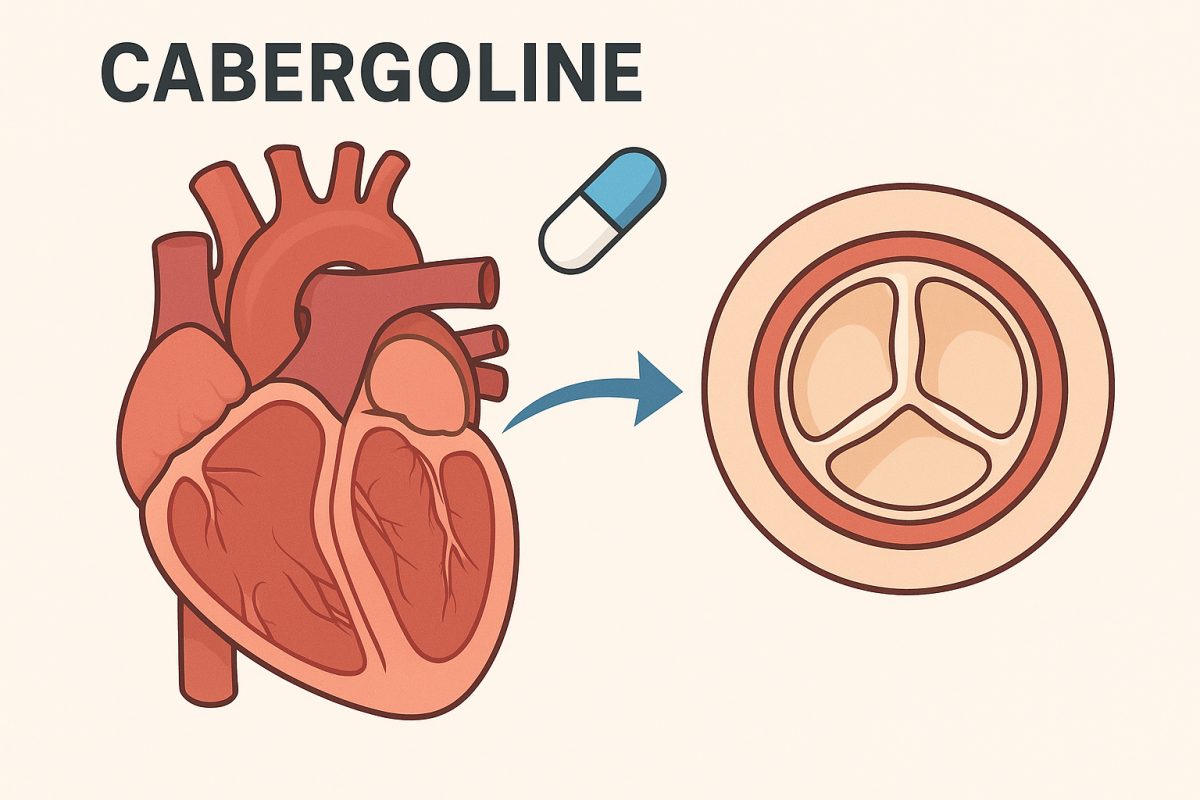
Concerns about cabergoline heart valve risks first emerged after studies found that high doses of cabergoline might increase the chance of developing heart valve disease. The reason behind this is that cabergoline can activate certain receptors on heart valves, possibly causing thickening or malfunction. This may lead to a condition called valvular heart disease, where one or more heart valves do not work properly.
However, it is important to understand that most cases of valvular heart disease linked to cabergoline occurred at very high doses, often prescribed for Parkinson’s disease, rather than for treating prolactin-related issues. Low-dose cabergoline, frequently used for hormonal disorders, has been associated with a much lower risk.
How Does Cabergoline Affect the Heart Valves?
- Activation of Serotonin Receptors: Cabergoline can stimulate serotonin 5-HT2B receptors on heart valves.
- Valve Thickening: This activation may cause cells in the heart valves to grow excessively, leading to thickening or fibrosis.
- Valve Dysfunction: Thickened valves may not open or close properly, resulting in blood flow problems.
- Symptoms and Risks: Valve dysfunction can cause symptoms like shortness of breath, fatigue, and sometimes heart murmurs. If untreated, it could lead to heart failure or other serious complications.
Who is Most at Risk?
The risk of developing cabergoline heart valve problems depends on several factors:
- Dosage: Higher doses, especially those used in Parkinson’s treatment, carry a greater risk.
- Duration: Long-term use increases exposure to the potential risk.
- Individual Susceptibility: Some people may be more prone to valve problems because of genetics or pre-existing heart conditions.
For most patients using cabergoline at low doses to manage hormone disorders, the heart valve risk is quite low, but it is still important to be monitored by a healthcare provider.
What Do Studies Say About Cabergoline Heart Valve Risk?
Several scientific studies have looked into the connection between cabergoline and heart valve disease.
- Research involving Parkinson’s disease patients taking high doses showed a noticeable increase in valve abnormalities.
- In contrast, studies on patients using cabergoline for hyperprolactinemia found very little evidence of significant valvular problems.
- Experts recommend regular heart monitoring, especially echocardiograms, for individuals on long-term, high-dose cabergoline therapy.
Overall, the risk appears dose-dependent, meaning the higher and longer the dose, the greater the potential harm to the heart valves.
How to Minimize the Heart Valve Risk While Taking Cabergoline
If you are prescribed cabergoline, here are some steps to reduce the risk of heart valve issues:
- Follow Dosage Instructions: Do not exceed the prescribed dose and duration.
- Regular Check-Ups: Make sure to have routine check-ups with your doctor, including heart evaluations when recommended.
- Report Symptoms Early: Notify your doctor if you experience symptoms like chest pain, shortness of breath, or swelling.
- Discuss Alternatives: If you have a history of heart valve problems, ask your doctor about alternative treatments.
What Are the Symptoms of Heart Valve Problems?
Recognizing early symptoms can help catch potential heart valve complications before they worsen. Common signs include:
- Shortness of breath during activity or at rest
- Fatigue or weakness
- Swelling in the legs or ankles
- Heart palpitations or irregular heartbeat
- Chest discomfort or pain
- Dizziness or fainting
If you notice these symptoms, seek medical advice promptly.
FAQs About Cabergoline and Heart Valve Risk
Is cabergoline heart valve risk dangerous for everyone?
Not everyone taking cabergoline will develop heart valve issues. The risk is mostly associated with high doses used in Parkinson’s disease. Low doses for hormone problems tend to have a very low risk, but regular monitoring is advised.
How often should heart checks be done while on cabergoline?
Your doctor may recommend baseline and periodic echocardiograms, especially if you are on high doses or long-term treatment. The frequency depends on your dosage and risk factors.
Are there safer alternatives to cabergoline?
Other medications like bromocriptine also treat similar conditions and may have different risk profiles. Talk to your healthcare provider to find the best option for you.
Can stopping cabergoline reverse heart valve damage?
In some cases, early valve changes may improve after stopping cabergoline. However, advanced damage could be irreversible, so early detection is key.
Should patients with existing heart valve issues avoid cabergoline?
Patients with pre-existing heart valve disease should discuss the risks thoroughly with their doctor before starting cabergoline, as it may increase heart complications.
Conclusion: Balancing Benefits and Risks
Cabergoline is a valuable medication for many patients, but the cabergoline heart valve risk is an important factor to consider. Understanding the dosage-related risk, monitoring heart health regularly, and promptly addressing any symptoms can help keep patients safe. Always consult your healthcare provider if you have concerns about cabergoline and heart valve risks. With the right precautions, cabergoline can be used effectively while minimizing potential heart problems.