Can Cabergoline Cause Headaches?
Can Cabergoline Cause Headaches?
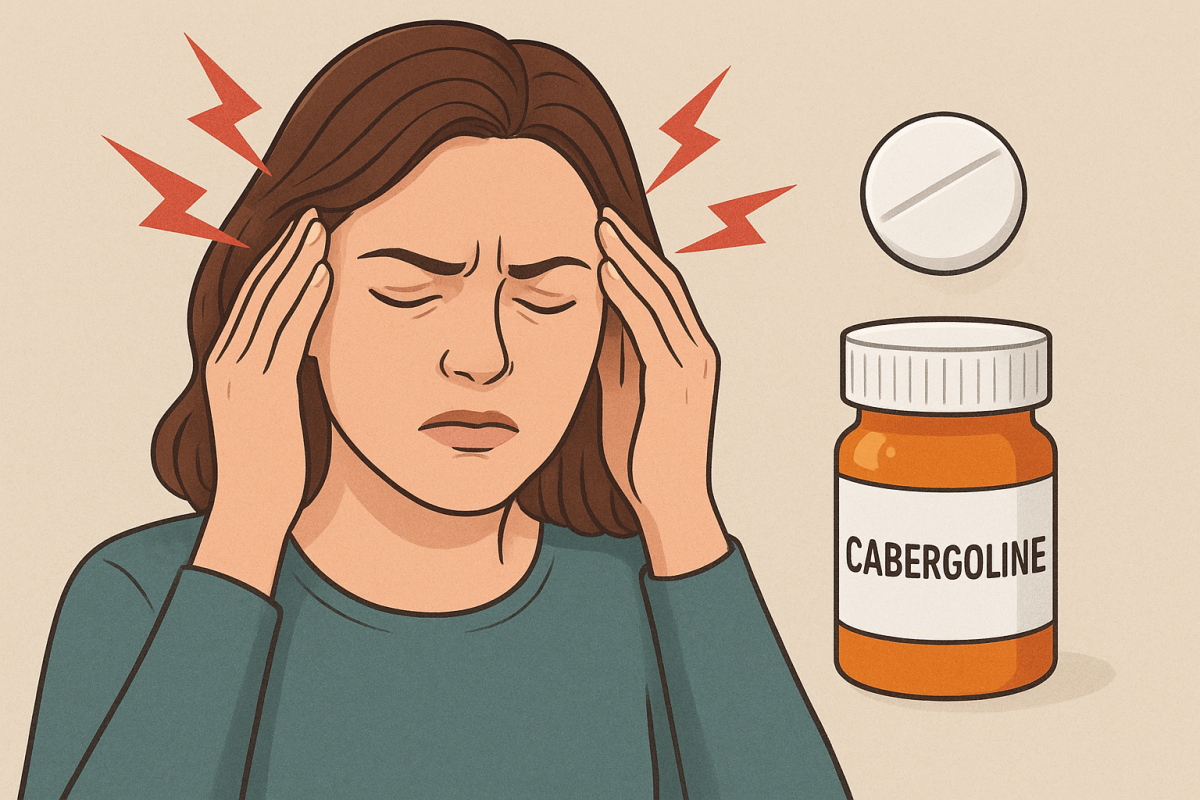
If you or someone you know is taking cabergoline, you might wonder about its side effects, especially headaches. Cabergoline is a medication often prescribed for conditions like Parkinson’s disease and certain hormone-related issues. While it is effective, like many medications, it can cause side effects. One common question is: can cabergoline cause headaches? This article will explore this topic in detail, helping you understand the connection between cabergoline and headaches, what causes them, and how to manage them effectively.
What is Cabergoline?
Cabergoline is a drug that belongs to a group of medications called dopamine agonists. It works by mimicking the action of dopamine, a chemical in the brain that helps regulate mood, movement, and hormone levels. Doctors typically prescribe cabergoline to treat conditions such as hyperprolactinemia (high levels of the prolactin hormone), Parkinson’s disease, and sometimes for other disorders involving hormone imbalances.
Why Are Headaches a Concern with Cabergoline?
Headaches are a commonly reported side effect among people taking cabergoline. Understanding why cabergoline headaches occur is important. The medication affects the brain’s dopamine system, which can influence blood vessels and nerves in the head. Changes in the balance of brain chemicals and blood flow may lead to headaches. While not everyone who takes cabergoline will experience headaches, they are one of the more frequent complaints reported by patients.
Frequency and Severity of Cabergoline Headaches
Studies and patient reports show that headaches may develop soon after starting cabergoline or after increasing the dose. The intensity of headaches varies from mild discomfort to more severe pain. For most people, these headaches are manageable and may decrease over time as the body adjusts to the medication. However, if headaches become severe or persistent, it’s essential to contact your healthcare provider for advice.
Symptoms to Watch For
When taking cabergoline, watch for any changes in headache patterns. This includes:
- Sudden onset of severe headaches
- Headaches accompanied by nausea or vomiting
- Headaches that do not improve with over-the-counter painkillers
- Visual disturbances along with headache
- Headaches that interrupt daily activities
If you experience any of these symptoms, it could indicate a more serious problem, and you should seek medical attention promptly.
Causes of Headaches from Cabergoline
There are several reasons why cabergoline might cause headaches:
- Changes in blood pressure: Cabergoline can lower or sometimes raise blood pressure, which may trigger headaches.
- Hormonal fluctuations: Since cabergoline affects hormone levels like prolactin, changes may lead to headaches.
- Dopamine activity: This medicine alters dopamine receptors, which can impact the nervous system and cause headache pain.
- Medication adjustment: Starting or increasing the dosage might cause temporary side effects as the body adapts.
How to Manage Cabergoline Headaches
Fortunately, there are several ways to reduce or manage headaches related to cabergoline:
- Take medication as prescribed: Avoid changing your dose without consulting your doctor.
- Stay hydrated: Drink plenty of water throughout the day to prevent dehydration-related headaches.
- Maintain a healthy lifestyle: Regular sleep, a balanced diet, and stress management can help reduce headache frequency.
- Use pain relief wisely: Mild over-the-counter painkillers like acetaminophen or ibuprofen may help, but talk to your doctor before regular use.
- Report symptoms: Keep a headache journal and inform your healthcare provider if headaches persist or worsen.
When to Talk to Your Doctor
If cabergoline headaches become severe, frequent, or do not improve with simple measures, it’s important to discuss this with your doctor. Your healthcare provider might:
- Adjust your cabergoline dose
- Switch to a different medication
- Recommend additional tests to rule out other causes
- Suggest complementary treatments to manage headaches
FAQs About Cabergoline Headaches
Can cabergoline cause migraines?
Yes, in some cases, cabergoline can trigger migraine-like headaches, especially in people prone to migraines. If you have a history of migraines, inform your doctor before starting cabergoline.
How soon after starting cabergoline do headaches start?
Headaches can begin within the first few days or weeks after starting treatment or after a dose increase. They often improve as your body adjusts to the medication.
Are cabergoline headaches permanent?
No, most headaches related to cabergoline are temporary and tend to decrease over time. If headaches persist or worsen, medical advice is needed.
Can lifestyle changes reduce cabergoline headaches?
Yes, lifestyle changes like regular sleep, hydration, reducing stress, and avoiding headache triggers can help manage these headaches.
Should I stop cabergoline if I get headaches?
Never stop cabergoline without consulting your healthcare provider, as stopping suddenly can cause other health problems. Talk to your doctor to find the best plan.
Conclusion
Cabergoline headaches are a common but manageable side effect. Understanding why they happen and how to cope with them will help you continue your treatment safely. Always communicate openly with your healthcare provider about any concerns or symptoms you experience. With the right approach, you can reduce headaches and benefit from the positive effects of cabergoline. Remember, your health and comfort are the most important parts of any treatment plan, and seeking help when needed is vital to your overall well-being.