Who Should Avoid Cabergoline?

Who Should Avoid Cabergoline?
Cabergoline is a medication commonly prescribed to treat conditions like hyperprolactinemia, Parkinson’s disease, and sometimes for other hormone-related disorders. While it can be very effective, not everyone should take cabergoline. Knowing who should avoid cabergoline is crucial to ensure safe and effective treatment. In this article, we will explore who should avoid cabergoline, the reasons behind it, and important safety tips for those considering this medication.
What is Cabergoline?
Cabergoline is a dopamine receptor agonist that helps lower prolactin levels in the body. It works by stimulating dopamine receptors in the brain, which reduces the production of prolactin from the pituitary gland. High prolactin levels can cause problems such as infertility, menstrual disturbances, and unwanted breast milk production. Cabergoline is also used in Parkinson’s to help manage symptoms by affecting dopamine levels.
Why is it Important to Know Who Should Avoid Cabergoline?
Cabergoline can cause side effects and interact with other medical conditions and medications. Taking cabergoline without proper medical advice can lead to serious health risks. If you have certain health conditions or are taking specific medications, cabergoline might not be safe for you. Identifying who should avoid cabergoline helps prevent complications, ensures better treatment outcomes, and safeguards overall health.
Who Should Avoid Cabergoline?
Here is a detailed look at groups of people who should avoid cabergoline or use it with extreme caution under strict medical supervision.
1. People with Heart Valve Disease
Cabergoline has been linked to heart valve problems in some patients. It can cause thickening or damage to heart valves, which may lead to heart complications. Therefore, people with known heart valve disease or those at high risk should avoid cabergoline unless their doctor carefully monitors their heart health during treatment.
2. Individuals with Severe Liver Problems
Liver function is essential for breaking down cabergoline in the body. People with severe liver disease may not be able to process the drug correctly, leading to a build-up of the medication and increased side effects. Patients with significant liver issues should avoid cabergoline or only take it when closely monitored by a healthcare provider.
3. Pregnant or Breastfeeding Women
Cabergoline can affect hormone balance and may pose risks to unborn babies or infants. Pregnant women or those planning to become pregnant should avoid cabergoline unless it is necessary and prescribed by a doctor. Breastfeeding mothers should also avoid cabergoline as it can pass into breast milk and affect the baby.
4. People with Severe Mental Health Conditions
Cabergoline can sometimes worsen psychiatric symptoms such as hallucinations, mood swings, or impulsive behaviors. Those with psychotic disorders, severe anxiety, or other serious mental health conditions should use cabergoline cautiously or avoid it entirely.
5. Individuals Taking Certain Medications
Some medications can interact dangerously with cabergoline. People taking strong inhibitors of the CYP3A4 enzyme (like certain antifungal drugs or antibiotics), other dopamine agonists, or medications that affect heart rhythm should avoid cabergoline or consult their doctor before use.
Additional Factors to Consider Before Taking Cabergoline
Besides the groups who should outright avoid cabergoline, there are other factors where caution is necessary:
- History of Fibrosis: Cabergoline, in rare cases, might cause fibrosis in the lungs or abdomen. If you have a history of fibrosis, discuss it carefully with your doctor.
- Kidney Problems: Moderate to severe kidney disease can affect how cabergoline is processed.
- Allergy to Cabergoline or Similar Drugs: Anyone with a known allergy to cabergoline or ergot derivatives should avoid the medication.
What Are the Risks of Taking Cabergoline When You Should Avoid It?
Ignoring warnings about who should avoid cabergoline can lead to serious problems, including:
- Heart valve damage or worsening of existing heart disease
- Severe liver toxicity or liver failure
- Harm to an unborn child or breastfeeding infant
- Worsening psychiatric symptoms such as hallucinations or mania
- Dangerous drug interactions leading to side effects like irregular heartbeat
How to Use Cabergoline Safely
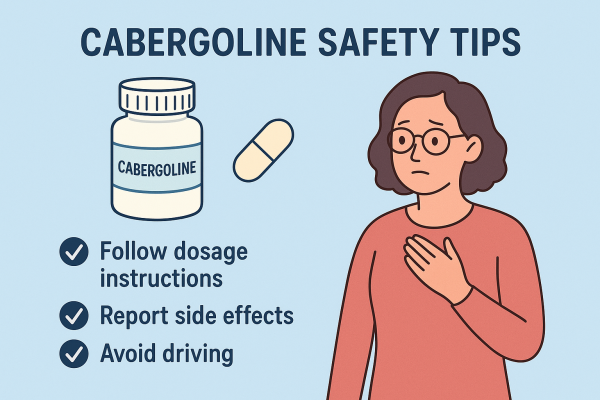
To use cabergoline safely and reduce risks, follow these tips:
- Always take cabergoline as prescribed by your healthcare provider.
- Inform your doctor about your full medical history, including heart, liver, or mental health problems.
- Report all current medications, supplements, or herbal products you are taking.
- Attend regular check-ups to monitor heart function and overall health while on cabergoline.
- Immediately report any side effects such as chest pain, shortness of breath, mood changes, or swelling.
FAQs About Who Should Avoid Cabergoline
Can people with mild heart conditions take cabergoline?
People with mild heart conditions should discuss the risks and benefits with their doctor. In some cases, close monitoring can allow safe use, but avoiding cabergoline might be the better option.
Is cabergoline safe during pregnancy?
Cabergoline is generally not recommended during pregnancy unless the benefits outweigh the risks. Always consult your doctor before taking cabergoline if you are pregnant or planning to become pregnant.
What should I do if I experience side effects while on cabergoline?
If you experience side effects like chest pain, dizziness, vision changes, or mood disturbances, contact your healthcare provider immediately. These could be signs that cabergoline is affecting your health adversely.
Are there alternatives to cabergoline for conditions like high prolactin?
Yes, there are alternative medications such as bromocriptine that your doctor may recommend based on your health status. Always talk to your healthcare provider about the best option for you.
Can I stop taking cabergoline suddenly if I have side effects?
Do not stop cabergoline without medical advice. Suddenly stopping the medication can cause withdrawal effects or worsen your condition. Always consult your doctor before making changes to your medication.
Conclusion
Knowing who should avoid cabergoline is essential for safe treatment and avoiding serious health risks. People with heart valve disease, severe liver problems, pregnant or breastfeeding women, those with severe mental health issues, and people taking certain medications