Cabergoline with Food or Empty Stomach
Should You Take Cabergoline with Food or on an Empty Stomach?
Cabergoline is a medication commonly prescribed to treat conditions such as hyperprolactinemia, Parkinson’s disease, and other disorders related to high prolactin levels. If you’ve been prescribed cabergoline, you may wonder whether to take it with food or on an empty stomach. This article will guide you through the best practices for taking cabergoline, helping you maximize its effectiveness and minimize side effects.
What is Cabergoline?
Cabergoline is a dopamine agonist. It works by stimulating dopamine receptors in the brain, which helps reduce the production of prolactin, a hormone that can cause various health issues if levels are too high. Doctors often prescribe this medication to help restore hormonal balance, treat pituitary tumors, or manage symptoms of Parkinson’s disease.
Importance of How You Take Cabergoline
The way you take cabergoline—whether with food or on an empty stomach—can affect how well the medicine works and how your body tolerates it. Cabergoline can sometimes cause side effects like nausea, dizziness, and stomach upset. Understanding how to take it properly can help reduce these side effects and make your treatment more comfortable.
Should You Take Cabergoline with Food?
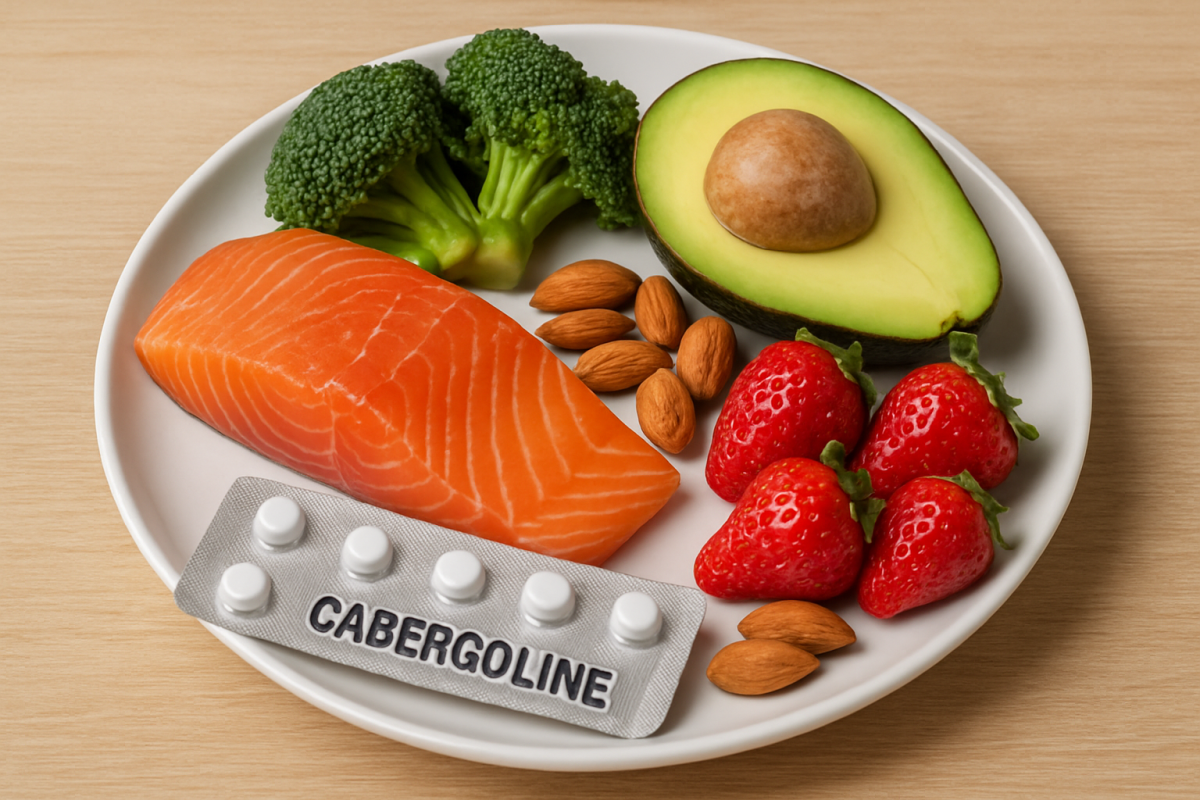
The general recommendation regarding cabergoline with food is that it is usually better to take it with a meal. Taking cabergoline after eating can help lessen nausea and other stomach-related side effects. Food acts as a buffer and reduces the irritation cabergoline may cause on an empty stomach. This can make it easier for patients to continue their medication without feeling sick.
Why Taking Cabergoline with Food Can Help
- Reduces nausea: Taking cabergoline with a meal can significantly reduce feelings of nausea, one of the most common side effects.
- Minimizes dizziness: A full stomach helps stabilize blood sugar levels, which can reduce dizziness linked to cabergoline.
- Improves tolerance: Patients report better tolerance when cabergoline is taken with food compared to when taken on an empty stomach.
Are There Any Downsides to Taking Cabergoline with Food?
In most cases, taking cabergoline with food has no major downsides. Some people worry food could affect absorption, but cabergoline’s absorption is generally not significantly impacted by meals. Always consult your healthcare provider if you have specific concerns or need personalized advice.
Should You Take Cabergoline on an Empty Stomach?
Some patients may be advised to take cabergoline on an empty stomach depending on their doctor’s instructions or certain medical considerations. However, for many people, this can increase the risk of side effects, such as stomach discomfort and nausea. If your healthcare provider recommends taking it on an empty stomach, you should follow their guidance carefully and report any side effects you experience.
When Taking Cabergoline on an Empty Stomach Might Be Recommended
- Your doctor wants to ensure maximum absorption speed for a specific medical reason.
- You do not experience nausea or stomach discomfort with this method.
- Your healthcare team is monitoring your response closely and will adjust your dosage if necessary.
Tips for Taking Cabergoline Safely
- Follow your doctor’s instructions: Always take cabergoline exactly as prescribed.
- Use food to reduce nausea: If you feel sick, try taking cabergoline with a small meal or snack.
- Stay hydrated: Drinking water helps reduce dizziness and supports your overall well-being.
- Take it at the same time: Consistency helps maintain stable medication levels in your body.
- Avoid alcohol and certain drugs: These may interact poorly with cabergoline.
Frequently Asked Questions About Cabergoline with Food
Can I take cabergoline with any type of food?
Yes, you can take cabergoline with most types of food. It is best to take it with a light meal or snack to avoid stomach irritation. Heavy or greasy meals are generally not necessary.
What if I miss a dose of cabergoline?
If you miss a dose, take it as soon as you remember, unless it is close to the time for your next dose. Do not double up to make up for a missed one. Always follow your doctor’s advice.
Can cabergoline cause stomach pain even with food?
Some people may still experience mild stomach pain or discomfort even when taking cabergoline with food. If this happens regularly, speak to your healthcare provider for alternative solutions.
Is it okay to take cabergoline with liquids like juice or milk?
Yes, cabergoline can be taken with liquids like water, juice, or milk. Taking it with milk or a small snack might help reduce nausea.
How long does cabergoline stay effective after taking it with food?
Food does not significantly change how long cabergoline stays in your system, but it can improve overall tolerance. The medication typically remains effective based on its half-life and your prescribed dosage.
Summary: Is Cabergoline with Food Best?
Taking cabergoline with food is generally recommended to reduce common side effects like nausea and dizziness. Food helps protect your stomach and improve tolerance, making treatment more comfortable for most people. However, each patient is unique—always follow your healthcare provider’s instructions and inform them about any side effects or concerns. Remember, the key to effective treatment with cabergoline is consistency, safety, and open communication with your medical team.