Cabergoline is a prescription medicine, so a safe purchase starts with a diagnosis and a valid prescription. It is used to lower prolactin, a hormone made by the pituitary gland, and it is not an over-the-counter product in most countries.
If you are searching for cabergoline for sale, this page covers what to confirm before you buy, how to spot a genuine product, and the key medical points (uses, dosing, interactions, side effects and precautions) so you can have an informed conversation with your doctor or pharmacist.
We do not recommend using any medicine you have not had assessed, and we cannot prescribe or replace a clinician's advice. High prolactin has several possible causes, and the right treatment depends on which one you have.
For background on the most common underlying condition, the NIDDK's page on prolactinoma explains how these pituitary tumours are diagnosed and treated.
Before you buy: a quick checklist
- Get tested first. A blood test confirms that prolactin is high, and your doctor may rule out pregnancy, thyroid problems, kidney disease and medicines that raise prolactin.
- Have a prescription. Legitimate pharmacies ask for one. Be cautious of any seller that does not.
- Confirm the seller. Look for a registered pharmacy, a physical address, a contact route and a named pharmacist.
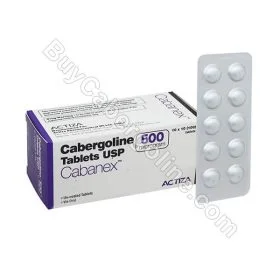
- Check the product details. The pack should show the drug name, strength, batch number, expiry date and manufacturer.
- Compare strengths. The common tablet is 0.5 mg, and dosing is built around it. See cabergoline 0.5 mg and cabergoline 1 mg.
- Be wary of unusual prices. Prices far below normal, bulk-only offers and "no prescription" promises are warning signs.
- Know the import rules. Prescription medicines may be restricted when shipped across borders, so check your own country's rules.
Country guides
Rules differ by country. Our guides to buying cabergoline in the UK and buying cabergoline in Australia explain prescription requirements and what to expect. Brand and generic names also vary, and our page on generic cabergoline explains what that means for quality and cost.
What cabergoline is used for
- Hyperprolactinaemia, where prolactin is raised and can cause missed periods, infertility, milk-like discharge, low sex drive, erectile problems and bone loss. See high prolactin levels.
- Prolactinomas, which are benign pituitary tumours that make prolactin.
- Fertility treatment when raised prolactin is stopping ovulation.
- Suppression of breast milk in specific medical situations.
- Parkinson's disease in some countries, usually at higher doses and less common now.
Uses such as bodybuilding or weight loss are not approved. See what the evidence says on weight loss.
How it works
Dopamine normally tells the pituitary gland to hold back prolactin. Cabergoline is a dopamine agonist, so it attaches to the same receptors and switches them on, and prolactin output drops. It acts for a long time, which is why dosing is weekly or twice weekly.
In people with a prolactin-secreting tumour, it can also shrink the tumour, which is monitored with scans. Our page on cabergoline and pituitary tumours covers this.
Dosage and administration
Your prescriber chooses the dose. These are typical label ranges, not personal advice.
- Start: commonly 0.25 mg twice a week, or 0.5 mg once a week.
- Increase: in small steps, no sooner than every four weeks, based on prolactin results.
- Typical range: often 0.5 to 1 mg a week, with a labelled maximum of about 1 mg twice a week.
- Not daily: the usual schedule is once or twice a week, not every day. Our page on how often to take cabergoline explains why.
- With or without food: food can ease nausea.
- Heart check: doctors often arrange an assessment, sometimes including an echocardiogram, before or during longer treatment.
- Treatment length: varies. Some people can stop after prolactin has been normal for a sustained period, but this is your doctor's decision, and prolactin should be rechecked afterwards.
Missed dose
Take it when you remember, unless the next dose is nearly due. Do not double up. Marking dose days on a calendar helps.
Overdose
Possible signs include fainting, severe dizziness, nasal congestion and trouble breathing. Contact your doctor or poison control service and seek emergency help if severe.
More detail is in our dosage guide.
Drug interactions
Some medicines change how cabergoline works or raise its levels. Tell your pharmacist about everything you take.
- Dopamine blockers, such as haloperidol, chlorpromazine, thiothixene, prochlorperazine and metoclopramide, which can cancel its effect.
- Azole antifungals, such as ketoconazole, itraconazole and posaconazole.
- HIV protease inhibitors and cobicistat, which can raise levels.
- Lorcaserin, where combined effects on serotonin pathways are a concern.
- Other ergot medicines, including bromocriptine.
- Blood pressure medicines, because dizziness can add up.
Side effects
Many people have mild effects that ease with time. See our guides to side effects and managing nausea.
Common
- Nausea, vomiting, indigestion, constipation or gas
- Dizziness, light-headedness and drowsiness
- Headache and tiredness
- Dry mouth, hot flushes and tingling
- Breast pain or painful periods
Get medical help
- Breathlessness, or a cough that does not go away
- Chest pain
- Swollen ankles, feet or legs
- Vision changes or mood changes
- Strong urges to gamble, spend, eat or have sex
Precautions and warnings
- Do not use if you are allergic to cabergoline or ergot medicines, or if you have uncontrolled high blood pressure, heart valve disease, or a history of fibrosis in the heart, lungs or abdomen.
- Pregnancy-related high blood pressure (pre-eclampsia or eclampsia) is a reason not to use it to stop breast milk.
- Liver disease: tell your doctor, because dosing may need adjusting.
- Pregnancy: it can restore ovulation, so discuss contraception and pregnancy plans with your doctor.
- Breastfeeding: it reduces milk, so it is normally avoided if you want to continue.
- Under 18: not generally recommended without specialist advice.
See also who should avoid cabergoline and heart valve risk.
Storage
Keep tablets in the original container, tightly closed, at room temperature, away from heat, damp and children.
Frequently asked questions
Can I buy cabergoline without a prescription?
In most countries no. It is a prescription-only medicine, and sellers that skip the prescription are a risk.
How do I know the tablets are genuine?
Buy from a registered pharmacy, check the label for batch number, expiry and manufacturer, and ask the pharmacist if the tablets look different from your last pack.
Is generic as good as the brand?
An approved generic must match the brand's active ingredient, strength and form. Read more in our generic guide.
How long does treatment last?
It depends on the cause. Your doctor will review prolactin levels over time, and some people need long-term treatment. See long-term use.
Is it suitable for men?
Yes, under supervision, because high prolactin can lower testosterone and cause sexual problems. See cabergoline for men.
Where can I read what other patients say?
Our page on cabergoline reviews explains how to interpret patient experiences.
This page is general information, not medical advice. Cabergoline should be used only under the guidance of a qualified healthcare professional.


Leave A Review