Cabergoline 0.25 mg vs 0.5 mg
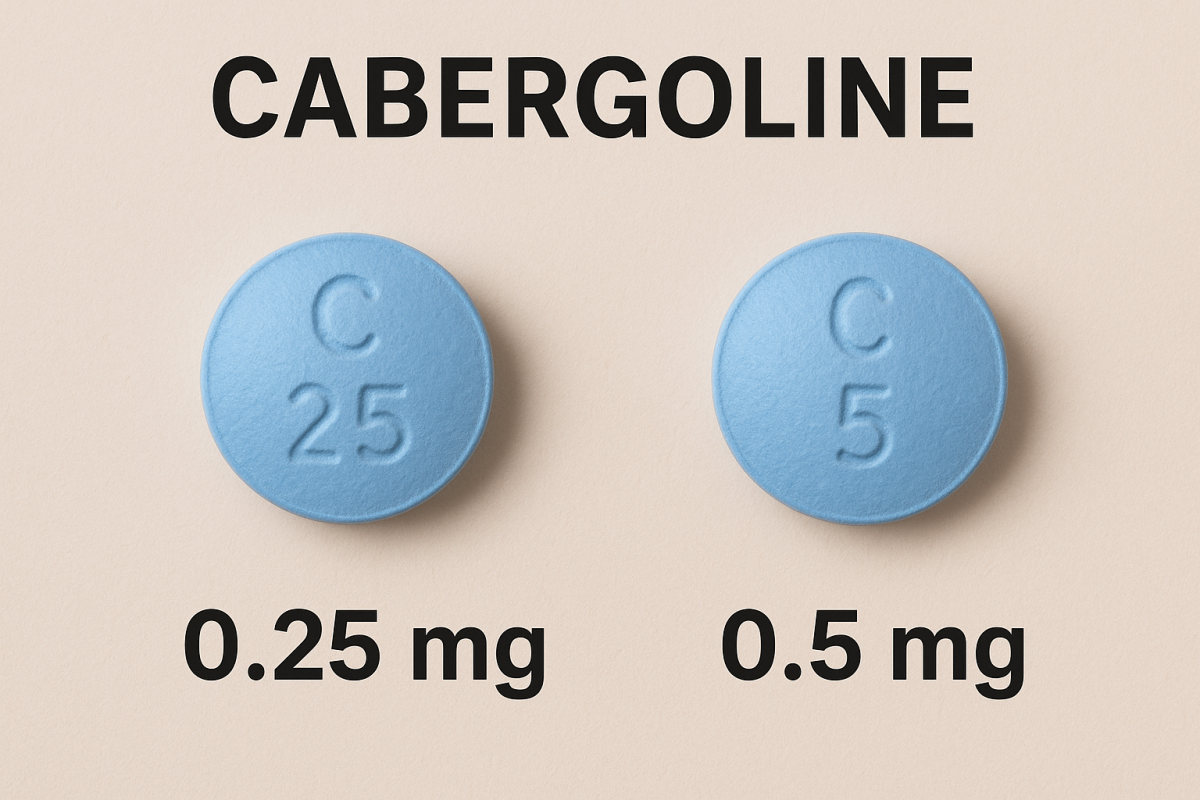
Cabergoline 0.25 mg vs 0.5 mg: Understanding the Differences
When it comes to treating certain medical conditions like hyperprolactinemia or Parkinson’s disease, cabergoline is a commonly prescribed medication. If you have been prescribed cabergoline, you might have noticed that it comes in different dosages, particularly 0.25 mg and 0.5 mg. Understanding the differences between cabergoline 0.25 vs 0.5, and which dosage might be right for you, is essential for effective and safe treatment.
What is Cabergoline?
Cabergoline is a dopamine agonist that helps stimulate dopamine receptors in the brain. It is primarily used to decrease high levels of prolactin, a hormone produced by the pituitary gland. High prolactin levels can lead to various health problems, including infertility, irregular menstrual cycles, and unwanted milk production. Cabergoline is also sometimes used to treat Parkinson’s disease symptoms by improving dopamine activity in the brain.
Cabergoline 0.25 mg vs 0.5 mg: Key Differences
- Dosage Strength: The most obvious difference is the amount of active ingredient per tablet or dose. Cabergoline 0.25 mg contains half the amount of cabergoline compared to the 0.5 mg formulation.
- Usage and Prescribing Guidelines: The 0.25 mg dose is often used as a starting dose to assess tolerance and minimize side effects. Doctors may increase the dose to 0.5 mg or higher depending on the patient’s condition and response to treatment.
- Frequency of Administration: Both dosages may not be taken daily; cabergoline is usually taken once or twice a week. The exact schedule depends on the dose and medical condition.
- Side Effects: Higher dosages, like 0.5 mg, have a slightly increased risk of side effects such as nausea, headache, dizziness, and fatigue. Starting at 0.25 mg helps the body adjust.
How Does Dosage Affect Treatment?
The dosage of cabergoline is tailored to your individual needs. Starting at 0.25 mg helps doctors observe how your body reacts to the drug, including any side effects. If the lower dose doesn’t fully control your symptoms, the dose can be increased to 0.5 mg or as advised by your healthcare provider.
Increasing the dose improves the chances of reducing elevated prolactin levels faster and more effectively, but it must be balanced carefully against potential side effects. Therefore, your medical provider will closely monitor your treatment progress when adjusting between 0.25 mg and 0.5 mg doses.
When is Cabergoline 0.25 mg Preferred?
- When starting treatment for the first time.
- When a patient is sensitive or prone to experiencing side effects.
- For long-term maintenance therapy at minimum effective doses.
- In patients with mild symptoms requiring lower dopamine stimulation.
When is Cabergoline 0.5 mg Preferred?
- When a patient does not respond adequately to the 0.25 mg dose.
- In cases with higher prolactin levels needing faster reduction is needed.
- For patients who tolerate the medication well without significant side effects.
- When titrating doses upward after careful evaluation by a healthcare provider.
Is one dose more effective than the other?
Neither dose is universally more effective; it depends on the individual patient’s medical condition and response. Cabergoline 0.5 mg provides a stronger dose, which may lead to better results in patients with severe symptoms. However, 0.25 mg is adequate for many patients and reduces the chance of side effects while still managing prolactin levels.
Common Side Effects of Cabergoline 0.25 mg and 0.5 mg
Both dosages can cause side effects, but the incidence and severity might vary. Common side effects include:
- Nausea or upset stomach
- Headache
- Dizziness or lightheadedness
- Fatigue
- Constipation
- Low blood pressure
Patients taking the higher 0.5 mg dose may experience these side effects slightly more frequently. Always report any troubling symptoms to your doctor for possible dose adjustment.
How to Take Cabergoline Safely
- Follow your doctor’s instructions carefully regarding dose and frequency.
- Do not increase the dose on your own, even if you feel no improvement.
- Take cabergoline with food to reduce stomach upset.
- Avoid driving or operating heavy machinery if you feel dizzy or sleepy.
- Attend regular blood tests to monitor prolactin levels and possible side effects.
FAQs about Cabergoline 0.25 vs 0.5
Can I switch between cabergoline 0.25 mg and 0.5 mg?
Yes, your doctor may adjust your dose between 0.25 mg and 0.5 mg depending on your response and side effects. Never change the dose without consulting your healthcare provider.
Which dose is safer for long-term use?
Generally, the lowest effective dose is safest for long-term use. Many patients maintain symptom control with 0.25 mg, but some require 0.5 mg as part of their ongoing therapy.
Is one dose cheaper than the other?
The price can vary depending on your pharmacy and insurance coverage. Typically, 0.25 mg tablets are less expensive per tablet, but the total cost depends on the quantity and dosing schedule.
Can cabergoline dosages affect fertility?
Yes, cabergoline helps normalize high prolactin, which can improve fertility. Dosage should be carefully managed to avoid hormone imbalances.
How soon will I see results from cabergoline?
Many patients notice improvements in prolactin levels and symptoms within 2 to 4 weeks, but it can sometimes take longer depending on the dose and condition severity.
Conclusion
Choosing between cabergoline 0.25 mg vs 0.5 mg is primarily based on your individual health situation, treatment goals, and how well you tolerate the drug. Starting with a lower dose, like 0.25 mg, is common to minimize side effects, while 0.5 mg may be necessary for stronger or faster results. Always follow your doctor’s advice and discuss any