Cabergoline Withdrawal Symptoms
Understanding Cabergoline Withdrawal Symptoms
Cabergoline is a medication commonly prescribed to treat conditions related to high levels of the hormone prolactin, such as prolactinomas and certain pituitary disorders. While cabergoline can be very effective, some people may experience cabergoline withdrawal symptoms when they stop taking the medication. Understanding these symptoms and how to manage them is important for anyone considering discontinuing cabergoline or who has recently stopped using it.
What is Cabergoline Withdrawal?
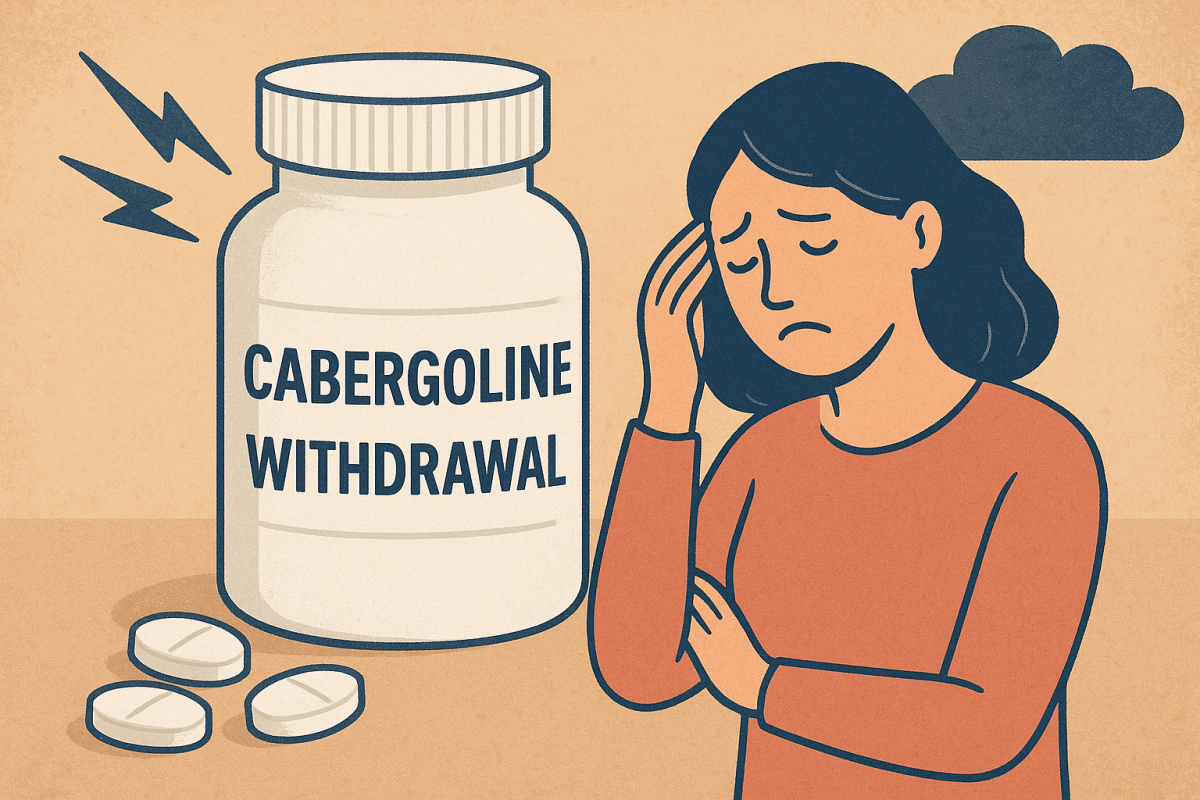
Cabergoline withdrawal refers to the physical and psychological symptoms that may occur when a person stops taking cabergoline after prolonged use. The withdrawal happens because the body needs time to adjust to the sudden absence of the drug, which has been influencing dopamine receptors in the brain. Unlike some other medications, cabergoline withdrawal is not universally experienced, but those who do go through it may find the symptoms challenging.
Common Cabergoline Withdrawal Symptoms
The symptoms of cabergoline withdrawal can vary depending on the individual, the dosage, and the duration of treatment. Some of the most frequently reported symptoms include:
- Mood Changes: Many individuals notice mood swings, irritability, anxiety, or even symptoms of depression when they stop cabergoline.
- Fatigue: A loss of energy and feeling unusually tired is a common complaint during withdrawal.
- Headaches: Some people experience headaches or migraines after stopping cabergoline.
- Dizziness and Lightheadedness: These symptoms can make daily activities difficult and are often linked to changes in blood pressure regulation.
- Nausea and Digestive Issues: Stomach upset, nausea, or loss of appetite may occur.
- Return of Original Symptoms: Elevated prolactin levels or symptoms related to prolactinoma, such as irregular menstrual cycles or breast discharge, might come back if cabergoline was controlling these issues.
Why Do Cabergoline Withdrawal Symptoms Occur?
Cabergoline works by stimulating dopamine receptors in the brain, which helps reduce prolactin secretion. When the medication is stopped suddenly, the brain’s dopamine balance can be disrupted. This imbalance may cause the body to react as it adjusts to the absence of the drug, which leads to withdrawal symptoms. Additionally, if the underlying condition that required cabergoline therapy is still active, withdrawal symptoms may overlap with the return of original illness signs.
How to Minimize Cabergoline Withdrawal Symptoms
To reduce the risk or severity of withdrawal symptoms, experts often recommend that patients do not stop cabergoline abruptly. Instead, a gradual tapering off under the supervision of a healthcare professional is suggested. Here are some tips to help minimize withdrawal symptoms:
- Consult Your Doctor: Always talk to your healthcare provider before making any changes to your medication.
- Gradual Dose Reduction: Slowly lowering the dose over weeks or months allows the body to adapt more smoothly.
- Monitor Symptoms: Keep track of how you feel and report any concerning symptoms to your doctor immediately.
- Healthy Lifestyle: Eating well, getting regular exercise, and managing stress can support your body during withdrawal.
- Stay Hydrated: Drinking plenty of water can help alleviate certain symptoms like dizziness.
When to Seek Medical Help
If you experience severe or persistent withdrawal symptoms, contact your healthcare provider as soon as possible. Medical intervention might be necessary to manage symptoms or adjust treatment plans. Urgent symptoms like severe headaches, chest pain, or extreme mood changes should be addressed immediately.
FAQs About Cabergoline Withdrawal
How long does cabergoline withdrawal last?
The duration of cabergoline withdrawal symptoms varies from person to person but typically lasts from a few days to several weeks. Gradual tapering can help shorten the duration and reduce symptom severity.
Can I stop cabergoline suddenly?
It is not recommended to stop cabergoline suddenly due to the risk of withdrawal symptoms and the possible return of underlying conditions. Always consult your healthcare provider for a safe discontinuation plan.
Will my prolactin levels rise again after stopping cabergoline?
There is a chance that prolactin levels can rise again once cabergoline is stopped, especially if the underlying condition is not resolved. Monitoring through blood tests is essential to assess hormone levels after withdrawal.
Are there alternatives to cabergoline if I want to stop?
Yes, other medications or treatment options might be available depending on your condition. Discuss with your doctor to find the best alternative treatment if cabergoline is not suitable for you anymore.
Can lifestyle changes help with withdrawal symptoms?
Yes, maintaining a healthy diet, regular exercise, good sleep hygiene, and stress management can all support your body and reduce withdrawal discomfort during cabergoline cessation.
Final Thoughts
Cabergoline withdrawal can be a challenging experience for some, but understanding the symptoms and preparing your body with the right support makes the process easier. Always seek medical advice before stopping cabergoline, and follow a gradual tapering plan. By staying informed and proactive, you can minimize discomfort and ensure the best possible outcome for your health. Remember, your healthcare provider is your best ally when navigating cabergoline withdrawal and managing your treatment plan effectively.