Cabergoline and Nausea
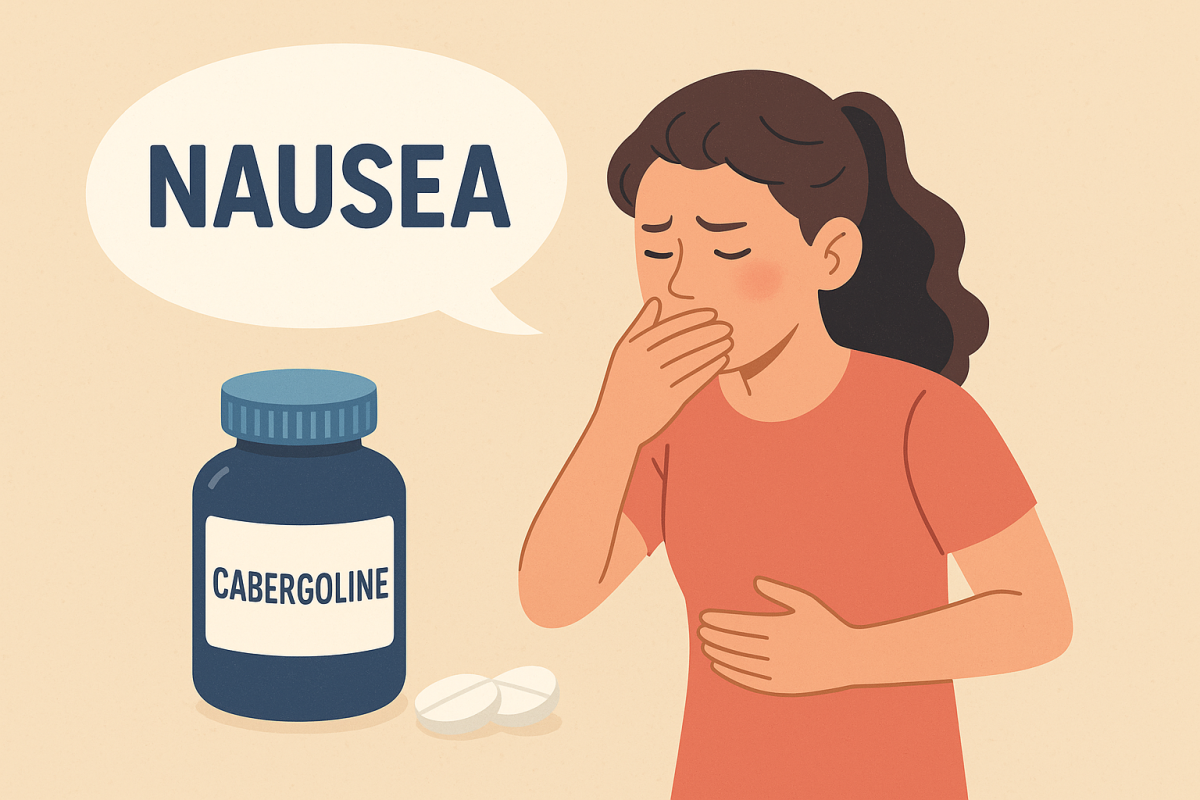
Understanding Cabergoline and Nausea
Cabergoline is a medication commonly prescribed to treat conditions such as Parkinson’s disease, hyperprolactinemia, and certain types of pituitary tumors. While it is effective for these health issues, many patients report experiencing side effects, including cabergoline nausea. Understanding why this nausea happens and how to manage it can help patients use cabergoline more comfortably and safely.
What Is Cabergoline?
Cabergoline belongs to a class of drugs known as dopamine agonists. It works by stimulating dopamine receptors in the brain, which helps regulate hormone levels and improve symptoms related to dopamine deficiency. This medication is usually taken orally in the form of tablets, and the dose can vary depending on the condition being treated.
Why Does Cabergoline Cause Nausea?
Nausea is a common side effect of cabergoline because the drug affects the central nervous system, particularly the areas linked to vomiting reflexes and digestive processes. Cabergoline stimulates dopamine receptors that can sometimes trigger nausea and vomiting, especially when you first start taking the medication or when your dose is increased.
How Common Is Cabergoline Nausea?
Cabergoline nausea is reported by a significant number of patients, although its intensity varies. Some people experience mild nausea that goes away after a few days, while others might have more persistent nausea that requires medical attention. It is one of the most frequently reported side effects, along with dizziness, headache, and fatigue.
Tips to Manage Cabergoline Nausea
If you’re taking cabergoline and suffering from nausea, there are several strategies you can try to reduce this uncomfortable side effect:
- Take with Food: Consuming cabergoline after a meal can help reduce nausea since food can protect the stomach lining and slow down absorption.
- Stay Hydrated: Drinking water or herbal teas may calm your stomach and help reduce nausea.
- Start with a Low Dose: Sometimes doctors prescribe a lower dose of cabergoline initially to help the body adjust and then gradually increase it.
- Divide the Dosage: Splitting the daily dose into smaller amounts taken at different times can lessen nausea by avoiding a sudden high concentration of the drug.
- Avoid Certain Foods: Spicy, fatty, or greasy foods may worsen nausea, so it’s best to avoid them while you’re adjusting to cabergoline.
- Rest and Relaxation: Stress and anxiety often worsen nausea. Practicing deep breathing or meditation may help reduce symptoms.
When to Contact a Doctor
While mild nausea is common and usually temporary, persistent or severe nausea may require medical attention. Contact your healthcare provider if you experience any of the following:
- Continued vomiting or inability to keep food down
- Signs of dehydration, such as dizziness, dry mouth, or decreased urine output
- Severe abdominal pain or other unusual symptoms
- Nausea that gets worse despite trying management strategies
FAQs About Cabergoline Nausea
Can cabergoline nausea be prevented?
While it’s difficult to completely prevent nausea from cabergoline, following your doctor’s dosing instructions, taking the medication with food, and starting at a low dose can greatly reduce the chances and severity of nausea.
How long does nausea last when starting cabergoline?
Nausea typically lasts a few days to a couple of weeks as your body adapts to the medication. If it persists longer, you should speak with your healthcare provider for advice.
Are there any medications to reduce cabergoline nausea?
Your doctor might recommend anti-nausea drugs if your cabergoline nausea is severe. However, it’s important not to take any additional medications without professional guidance.
Can lifestyle changes help with cabergoline nausea?
Yes, simple changes like eating smaller meals, avoiding triggering foods, staying hydrated, and resting can help ease nausea symptoms.
Is nausea a sign I should stop taking cabergoline?
Not necessarily. Mild nausea is a common side effect and often improves over time. You should only stop taking cabergoline if your doctor advises it based on your overall health and symptoms.
Conclusion
Cabergoline is a valuable medication for managing several health conditions, but cabergoline nausea is an important side effect to understand. By taking medication with food, starting with a low dose, and following your doctor’s instructions, most patients can manage or reduce nausea. Always communicate openly with your healthcare provider about any side effects you experience to ensure safe and effective treatment. Remember, your comfort and health come first, and with the right approach, you can minimize cabergoline nausea and focus on the benefits of your medication.